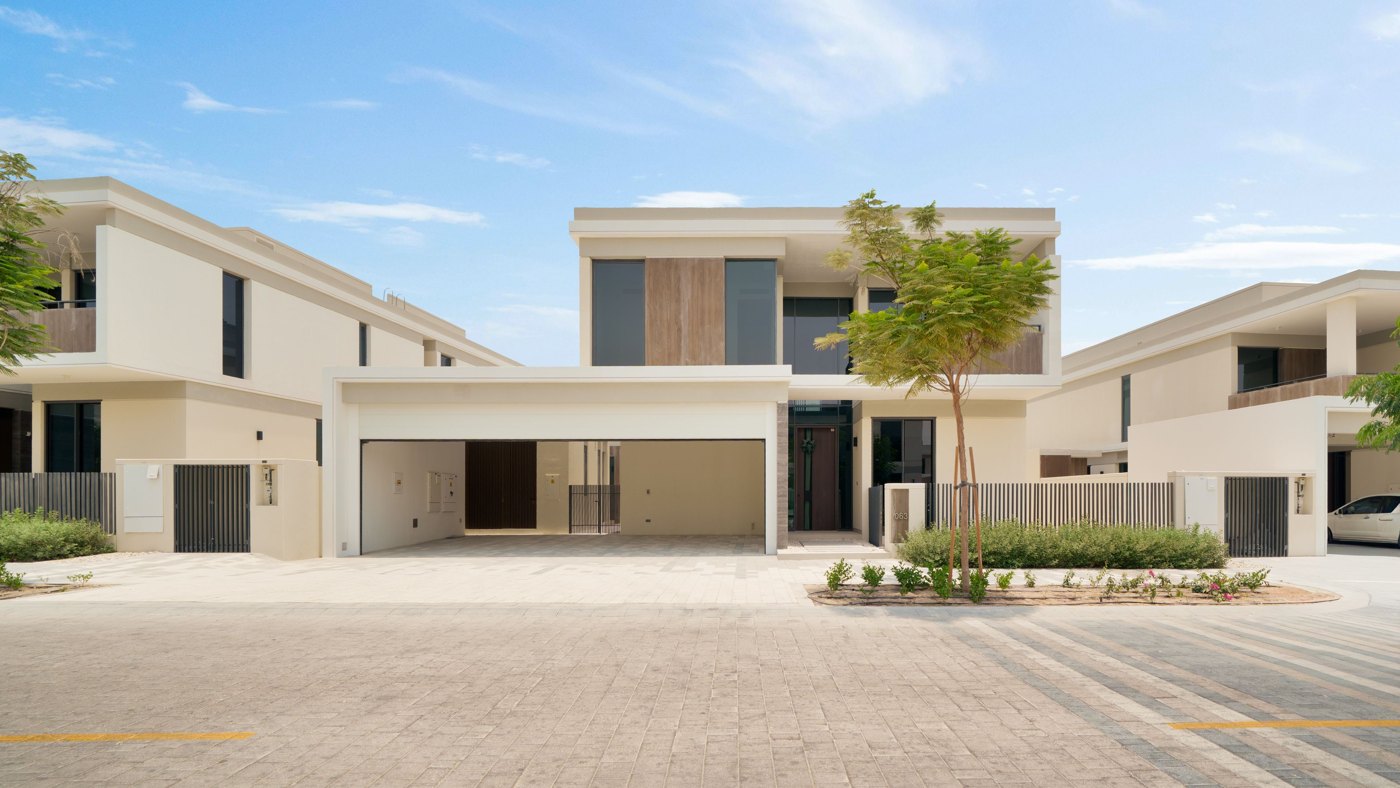
Stand-Alone Second Mortgage
A separate mortgage that typically provides a lump sum secured by home equity, leaving the first mortgage in place.
What is a stand-alone second mortgage?
A stand-alone second mortgage lets homeowners access their home’s equity without replacing their existing first mortgage. “Stand-alone” means it is obtained separately from the first mortgage, rather than at the same time as the original home loan.
Usually offered as a closed-end home equity loan, it provides a lump sum upfront with its own interest rate, repayment terms, and monthly payment. Many programs offer fixed rates and a fully amortizing repayment schedule. Unlike a HELOC, the money cannot be borrowed again after it is repaid.
Why borrowers want one
They may have a low rate on their first mortgage and want cash without refinancing that entire balance. It can also suit borrowers who know exactly how much they need and prefer a predictable payment with a fixed-rate option.
Common uses
- Home renovations or major repairs.
- Consolidating higher-interest debt.
- Education or other large expenses.
- A down payment on another property, when permitted by the lenders involved.
Example
A homeowner could keep their existing mortgage and take a separate $75,000 second mortgage for renovations, subject to qualification and available equity.
The borrower must make both mortgage payments. Because the home secures the second loan, missed payments can lead to foreclosure.